

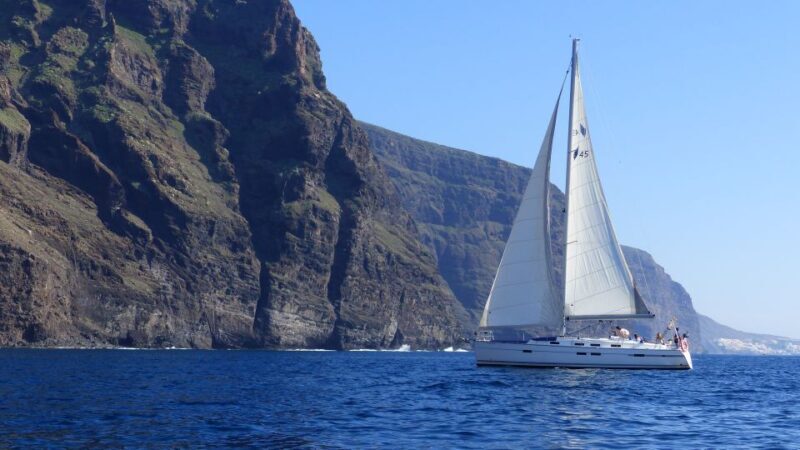
Quick answer
Pilot whales can be spotted in the waters around Tenerife throughout the year, with sightings recorded in every month. Spring (March through May) and autumn (September through November) consistently deliver the highest success rates, thanks to calmer seas, improved visibility, and increased cetacean activity as Atlantic conditions stabilize. Summer sees more tour traffic but reliable sightings, while winter brings rougher swells that can limit departures.
The channel between Tenerife and La Gomera shelters a resident colony of around 250 short-finned pilot whales, one of the few populations in European waters that remains in a defined area year-round rather than migrating. This ecological anomaly means whales tenerife time of year is less about presence and more about sea state, visibility, and the behavior patterns that make encounters memorable. Spring offers the intersection of stable weather and heightened whale activity. March through May sees pilot whale pods moving closer to shore as females with calves seek sheltered bays, and the North Atlantic trade winds ease into their mildest phase. Water clarity peaks during these months, and morning departures from Puerto de Los Gigantes routinely encounter pods within twenty minutes of leaving the cliffs. Bottlenose dolphins and Atlantic spotted dolphins also pass through the channel during spring migration, often traveling in mixed groups that can number over a hundred individuals. Autumn replicates many of spring's advantages. September and October bring a second window of calm seas before the winter swell builds, and pilot whales shift their ranging patterns as juvenile members of the pod practice diving and social behaviors. Tour operators report that autumn sightings tend to involve more surface activity—spyhopping, tail slaps, and extended rest periods where entire pods float motionless at the surface. The shoulder season also means fewer boats on the water and a better chance of observing natural behavior undisturbed. Summer—June through August—remains viable despite higher visitor numbers. Pilot whales do not leave the area, and daily sightings are the norm, but afternoon sea breezes can roughen conditions and reduce visibility. Winter presents the least predictable window. December through February brings Atlantic low-pressure systems that generate swells capable of canceling departures, and while whales remain present, rough seas push them into deeper water where encounters become less frequent. Booking flexibility matters most during these months, as operators may postpone trips with little notice when swell forecasts exceed safe thresholds.
“The channel between Tenerife and La Gomera shelters a resident colony of around 250 short-finned pilot whales, one of the few populations in European waters that remains year-round.”
Whales Tenerife Time of Year: Seasonal and Daily Patterns
Whale watching in Los Gigantes is viable year-round due to the resident population of pilot whales. The best arrival window is 09:00–11:00, as morning hours typically offer calmer sea conditions and higher wildlife activity.
Spring (March–May)
Moderate crowdsMild 20°C–24°C; calm seas
Migratory species often pass through during these months.
Summer (June–August)
High crowdsWarm 25°C–29°C; stable conditions
Wildlife is consistently active with frequent pilot whale sightings.
Autumn (September–November)
Lower crowdsPleasant 22°C–26°C; variable winds
Sea conditions remain favorable for excursions despite potential seasonal shifts.
Winter (December–February)
Moderate crowdsCooler 18°C–22°C; occasional swells
Resident whales remain present throughout the cooler season.
Verdict: The best time to visit is during the morning arrival window of 09:00–11:00, ideally between April and October for the most consistent sea conditions.
Operating Hours for Los Gigantes Whale Watching Access
The port area at Puerto de Los Gigantes remains accessible 24 hours a day. Please note that specific excursion departure times are determined independently by individual tour operators.
| Monday | 00:00–23:59 | |
|---|---|---|
| Tuesday | 00:00–23:59 | |
| Wednesday | 00:00–23:59 | |
| Thursday | 00:00–23:59 | |
| Friday | 00:00–23:59 | |
| Saturday | 00:00–23:59 | |
| Sunday | 00:00–23:59 |
Entrance Fees and Whales Tenerife Time of Year Costs
Access to the port area at Puerto de Los Gigantes is free of charge. Costs for whale watching excursions are determined independently by individual boat operators.
While port access is 0 EUR, travelers pay varying excursion fees based on the specific boat operator selected.
Directions to Puerto de Los Gigantes for Whale Watching
Puerto de Los Gigantes is located on the west coast of Tenerife in Santiago del Teide. Most visitors arrive via the TF-454 road, which connects the port directly to the main island road network.
TF-1 or TF-82 to TF-454
Titsa line 473 or 477 to Los Gigantes stop
Direct transfer to Puerto de Los Gigantes
Pre-Visit Checklist for Whales Tenerife Time of Year Trips
Preparation ensures smooth boarding and maximizes comfort during your whale-watching trip.
-
Confirm your booking reference — Operators require proof of reservation at the port.
-
Bring sun protection and a hat — Exposed decks offer minimal shade during morning departures.
-
Pack motion sickness tablets — Atlantic swells can affect passengers unaccustomed to open water.
-
Wear layers and a windproof jacket — Sea temperatures drop noticeably once the boat leaves the harbour.
-
Charge your camera or phone — Pilot whale sightings often happen quickly and without warning.
-
Arrive 15–20 minutes early — Crews conduct safety briefings before departure and gates close promptly.
-
Carry water and light snacks — Most operators allow personal provisions for trips exceeding two hours.
Nearby Sights After Your Whales Tenerife Time of Year Excursion
Complement your whale watching excursion by exploring the natural landmarks and coastal zones surrounding the port. These nearby locations offer a chance to observe the volcanic landscape and shoreline of Santiago del Teide after returning to the harbor.
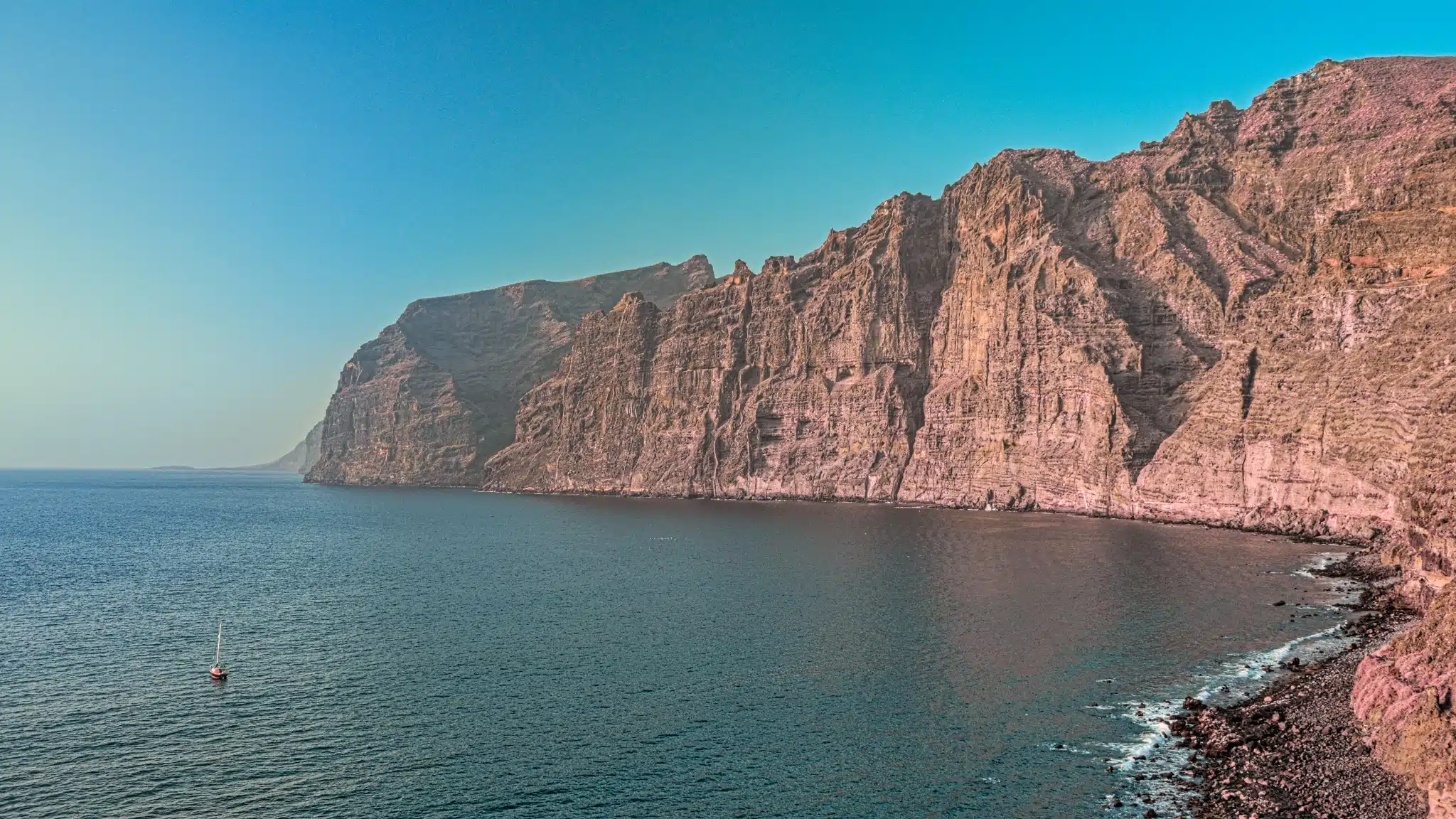
Acantilados de Los Gigantes
These massive vertical cliffs rise from the ocean and are frequently viewed from the water during marine excursions.
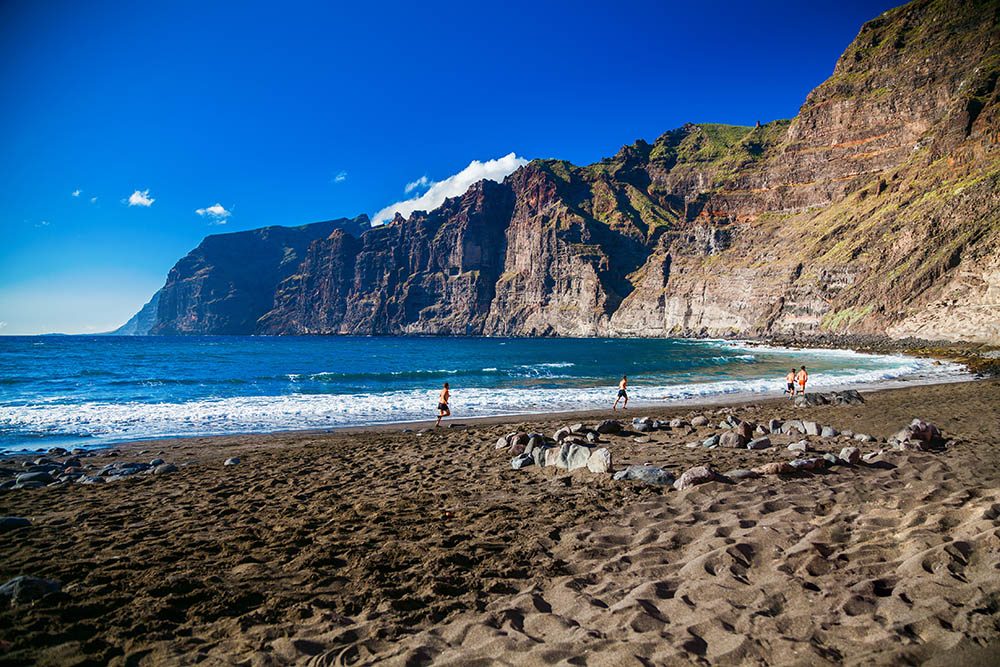
Playa de los Guíos
This black sand beach is located directly next to the port, providing a quiet place to relax after time at sea.
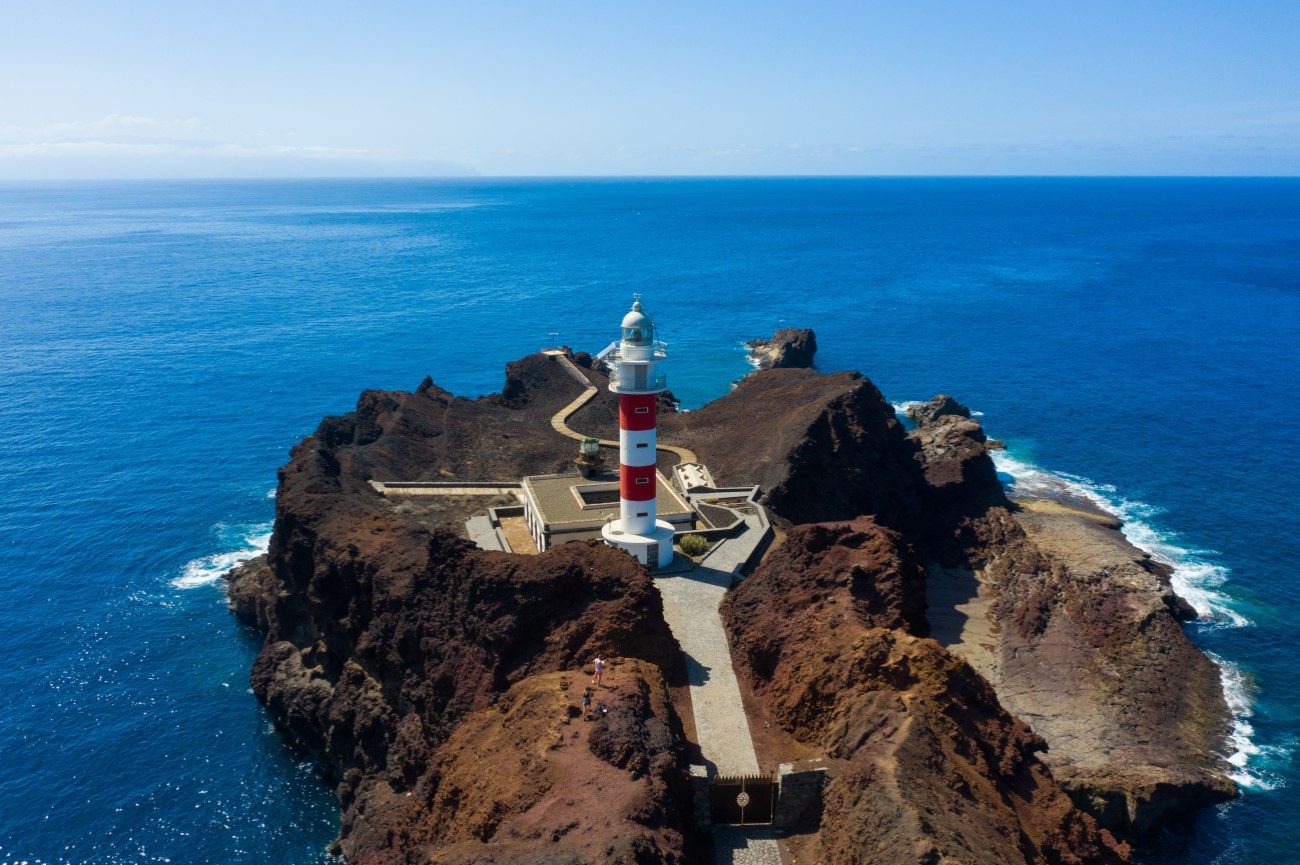
Punta de Teno
This remote headland offers a lighthouse and expansive views of the coastline, contrasting with the active port environment.
Check availability
Frequently Asked Questions About Whales Tenerife Time of Year
Everything you need to know about whales tenerife time of year